
In early 2026, a nationwide shortage of estrogen patches, which are a key hormone therapy for menopause, disrupted care for many women dealing with symptoms like hot flashes, night sweats, mood changes, and insomnia. The shortage has been widely reported in major health news, raising concerns about access to this important treatment.
What’s Happening: The Estrogen Patch Shortage Explained
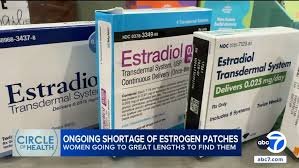
Estrogen patches deliver estradiol, a type of estrogen, through the skin and into the bloodstream. They are commonly prescribed to help with moderate to severe menopause symptoms.
Right now, many women say it is hard to find estrogen patches at local pharmacies. Some prescriptions are delayed, replaced with unfamiliar brands, or not available at all. This has left women searching for refills and doctors getting more requests for other options.
Why the Shortage Occurred
Experts point to several overlapping factors:
Sudden surge in demand.
After years of underuse, hormone therapy, especially estrogen patches, has become much more popular. Medical data shows that demand for menopause hormone therapy has gone up by about 86% since 2021 as more women look for relief from symptoms.
The FDA safety update increased confidence.
In late 2025, the U.S. Food and Drug Administration (FDA) removed the long-standing “black box” warning on hormone therapy products. This warning had made many doctors and patients hesitant to use estrogen therapy. The change, based on new evidence, seems to have made both groups more comfortable with hormone treatment.
Limited manufacturing capacity and supply disruptions.
Estradiol patches are produced by a small number of manufacturers, and when one production line slows or a brand is discontinued, there’s little redundancy to absorb the impact. This fragility in the supply chain has made shortages of this medication more acute than for other common medications.
Medical experts and women affected say this is not just a short-term problem. Instead, it shows a bigger gap between the growing need for menopause care and how prepared the system is to meet that need.
Who’s Most Affected?

Women who use estrogen patches to help with symptoms like hot flashes, night sweats, trouble sleeping, and mood swings are most affected by this shortage. Losing access can quickly bring back these symptoms, making daily life, work, and relationships harder.
Menopause affects all women, but women of color often face more barriers to care. These can include delayed diagnoses, doctors who may not understand their needs, and fewer treatment options that fit their backgrounds. These issues can make the shortage even harder for marginalized communities. (Source: broader disparities research, not specific to estrogen patch news.)
What Women Can Do: Practical Strategies
Doctors and pharmacists suggest being flexible and planning ahead to help reduce problems from the shortage:
- Check multiple pharmacies
Different pharmacy chains and independent stores may have different supplies. Some women have had better luck by calling ahead or moving their prescriptions to another pharmacy.
- Ask about alternative formulations
Estrogen can be given in other ways besides patches. Other options include gels, sprays, and rings that go on the skin. Pills or custom-made versions may also be possible, but you will need to talk to your doctor and may need a new prescription.
- Discuss dose adjustments
Sometimes, your doctor might suggest changing from a twice-weekly patch to a once-weekly patch or adjusting your dose, if it is safe and done under medical supervision.
- Plan refills early
Try to order your refills a few weeks before you run out of patches. This can help you avoid running into delays.
- Stay in close communication with your healthcare provider
If the shortage continues, you may need to continue working with your clinician and pharmacist to ensure you get the care you need.
Why This Matters for Women’s Health Equity
The estrogen patch shortage highlights bigger problems in women’s health. Treatments for menopause have often received less funding, research, and support than other medical conditions. When more women need care, the system can have trouble keeping up, especially for those who already face barriers to healthcare.
For women of color, who already have higher rates of untreated menopause symptoms and use hormone therapy less often, shortages like this can make health gaps even wider unless there are specific policy and clinical solutions.
Bottom Line
The 2026 estrogen patch shortage shows what happens when demand rises, but the supply system cannot keep up. This is not a problem that will go away on its own. It’s a chance to rethink how menopause care is valued, created, and delivered in the U.S. While there are other options, every woman deserves care that is easy to access and supports her health and quality of life.
If you are having trouble getting your prescription, contact your clinician as soon as possible to discuss your options. You do not have to go through this alone.
FEBRUARY 2026
Sources Cited
• The New York Times – Estrogen Patches Surge in Popularity, Now in Shortage
• Everyday Health – Estrogen Patches in Short Supply: Is There a Workaround?
• 19th News – Estrogen Patch Shortage, What’s Behind It
• CNN – National Estrogen Patch Shortage Report
• Women’s Health Magazine – Why the Estrogen Patch Shortage Happened