
 When symptoms like hot flashes, night sweats, mood changes, and irregular periods strike, many women wonder if menopause hormone testing could provide clarity about where they are in perimenopause. With at-home hormone tests now widely available, it’s easier than ever to order a kit and get quick results. But is hormone testing necessary — or even useful — for diagnosing menopause?
Here’s what the experts say about the pros and cons of menopause hormone testing, and the options available today.
Understanding Hormone Changes in Menopause
Menopause is officially defined as 12 consecutive months without a menstrual period, signaling the end of ovarian function. The average age of menopause in the U.S. is around 51, but the transition (known as perimenopause) can begin several years earlier.
During this transition, levels of reproductive hormones — primarily estrogen and follicle-stimulating hormone (FSH) — fluctuate widely and unpredictably. This hormonal variability is why many experts caution against relying on a single hormone test to determine menopause status.
According to The Menopause Society (formerly NAMS), menopause is primarily a clinical diagnosis based on symptoms and menstrual history, not lab results. (NAMS, Menopause Practice: A Clinician’s Guide, 2021)
Pros of Menopause Hormone Testing
- Rule Out Other Causes: Hormone testing can sometimes help exclude other conditions (like thyroid disorders or pituitary issues) that can mimic menopause symptoms.
- Early Menopause or Medical Conditions: Testing can be helpful if premature menopause (before age 40) or certain medical conditions are suspected.
- Baseline Information: Some women prefer to have baseline hormone levels documented to track trends over time, especially when discussing treatment options like hormone therapy (HT).
Cons of Menopause Hormone Testing
- Hormone Levels Fluctuate Daily: In perimenopause, estrogen and FSH levels can swing dramatically even within a single day, making any single test unreliable for diagnosis.
- Symptoms Tell the Story: Most healthcare providers diagnose menopause based on symptoms and menstrual changes, rather than hormone tests.
- Potential for Misinterpretation: Without guidance from a healthcare provider, test results may cause unnecessary anxiety or confusion.
- Cost Without Clinical Benefit: Hormone tests — especially private lab or at-home versions — can be costly and often don’t change management or treatment plans.Mayo Clinic emphasizes that routine hormone testing is not usually needed for diagnosing perimenopause or menopause. (Mayo Clinic, Menopause Diagnosis and Treatment, 2023)
Types of Hormone Testing
Clinical Testing Through a Healthcare Provider
- Blood Tests: FSH, estradiol (a form of estrogen), and sometimes luteinizing hormone (LH) levels are measured.
- Thyroid Testing: TSH levels are often checked to rule out thyroid disorders, which can cause similar symptoms.
- Other Labs: Depending on symptoms, providers may test prolactin, testosterone, or other markers.
Clinical testing is typically recommended if menopause occurs before age 40 (known as premature ovarian insufficiency) or if symptoms are severe, atypical, or suggest another health condition.
At-Home/Over-the-Counter (OTC) Menopause Tests
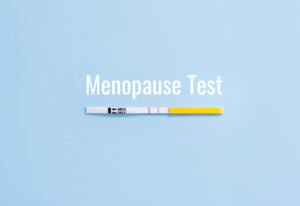
- Urine-Based FSH Tests: Over-the-counter kits measure FSH levels in the urine.
- Saliva Tests: Some at-home tests measure estrogen, progesterone, and cortisol levels through saliva samples.
Popular OTC brands include:
- Clearblue® Menopause Stage Indicator
- Oova Perimenopause Hormone Kit
- LetsGetChecked Menopause Test
- Everlywell Women’s Health Test
Important Caveats:
- OTC tests often focus on FSH, but FSH alone doesn’t provide a full picture.
- Saliva tests are less accurate than blood tests and are not widely endorsed by medical organizations for menopause diagnosis.
- Results should always be interpreted with clinical context, not in isolation.The Cleveland Clinic advises that at-home menopause tests can be convenient, but hormone levels fluctuate so much that results should not replace professional medical advice. (Cleveland Clinic, Menopause Hormone Testing, 2024)
Bottom Line
If you are over 45 and experiencing classic menopause symptoms, hormone testing is usually not necessary to confirm the transition. In younger women or in cases where diagnosis is uncertain, selective testing may provide helpful information.
At-home hormone tests can offer some insights but should be interpreted cautiously and in consultation with a healthcare provider.
Ultimately, the best “test” for menopause is understanding your body, tracking your symptoms, and having informed conversations with your healthcare team.
Sources:
- The North American Menopause Society (NAMS), Menopause Practice: A Clinician’s Guide, 2021
- Mayo Clinic, Menopause Diagnosis and Treatment, 2023
- Cleveland Clinic, Hormone Testing for Menopause, 2024
- WebMD, The Emotional Rollercoaster of Menopause, 2024
- Johns Hopkins Medicine, Can Menopause Cause Depression?, 2024